

 Framed Cabinets








 Frameless Cabinets


 Wood Hoods

 Flooring









 ACCESSORIES
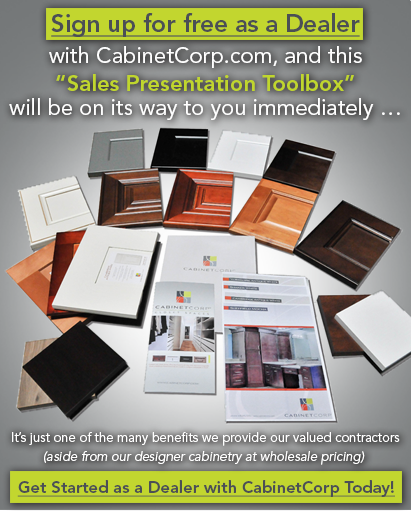
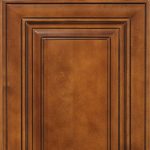
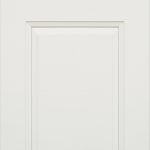
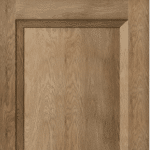
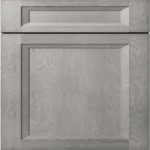
 Sample Doors

Kitchen cabinets are one of the biggest line items in any remodel. They also tend to be where budgets drift.
If you understand how much do kitchen cabinets cost, you can make better decisions early and avoid expensive adjustments later.
This guide breaks down where the money goes and how to stay in control of it.
What Do Kitchen Cabinets Actually Cost?
Cabinet pricing varies based on construction, materials, and how the cabinets are delivered. A general range:
- Stock cabinets: lower cost, limited sizes and finishes
- Semi custom cabinets: moderate cost, more flexibility
- Custom cabinets: highest cost, built to exact specifications For most projects, the decision is not between cheap and expensive. It is between standardized efficiency and full customization.
Many contractors and homeowners find that well-built stock or semi custom cabinets cover what they need without the cost of full custom work.
What Drives Cabinet Pricing?
Cabinets are not priced as a single item. They are a combination of choices.
- Construction Type
Framed and frameless cabinets differ in both structure and cost.
- Framed cabinets: traditional build, strong and familiar
- Frameless cabinets: modern look, slightly more material efficiency
Neither is automatically better. The choice comes down to design preference and install style.
- Materials and Finish
Material quality affects both durability and price.
- Solid wood and plywood construction cost more but hold up longer
- Particleboard lowers cost but can limit longevity
- Painted and specialty finishes increase price compared to standard options This is one of the areas where cutting too much can show over time.
- Assembly Method
How cabinets arrive impacts both labor and cost.
- Ready to assemble cabinets: lower upfront cost, more labor on site
- Pre assembled cabinets: higher upfront cost, faster install The right option depends on your workflow and labor availability.
- Hardware and Function
Hinges, drawer glides, and internal components are often overlooked. They affect:
- daily usability
- long term performance
- overall perception of quality
Soft close hardware is now standard on most mid to high quality cabinets for a reason.
- Shipping and Supply Chain
Freight, availability, and supplier structure all influence cost.
Working with a supplier that maintains consistent inventory and distribution can prevent delays and price fluctuations mid project.
Where Most Budgets Go Off Track
Cabinet budgets usually do not fail because of one big decision. They fail from a series of small ones.
Common issues:
- Upgrading finishes late in the process
- Switching to custom unnecessarily
- Underestimating install labor
- Choosing based on appearance without considering function
The earlier these decisions are made, the easier it is to stay aligned with budget.
How to Stay on Budget Without Cutting Quality
There are a few consistent ways to control cost while still delivering a solid result.
Choose Standard Sizes When Possible
Custom sizing increases cost quickly. Standard cabinet dimensions cover most layouts efficiently.
Balance Assembly and Labor
If labor is tight, pre assembled cabinets can reduce install time. If labor is available, RTA cabinets can reduce upfront cost.
Focus on What Gets Used Daily
Spend where it matters:
- drawer systems
- hinges
- high traffic areas
Save on areas that are less visible or less frequently used.
Work with a Supplier Built for Volume
Wholesale cabinet suppliers (like CabinetCorp) are structured differently than retail showrooms. They typically offer:
- better pricing consistency
- reliable inventory
- faster turnaround
CabinetCorp operates in this space, supporting both contractors and homeowners with access to a wide range of cabinet styles and configurations.
A Practical Way to Think About Cabinet Costs
Instead of asking how to get the cheapest cabinets, it is more useful to ask:
- Will these install efficiently?
- Will they hold up over time?
- Do they fit the layout without forcing adjustments?
When those questions are answered early, cost becomes easier to manage.
Final Takeaway
Cabinet cost is not just about price per box.
It is about how construction, materials, labor, and supply all work together. The projects that stay on budget are the ones where:
- decisions are made early
- tradeoffs are understood
- the supplier supports the process, not just the product
When those pieces are in place, you avoid rework, delays, and unnecessary upgrades.